|
3 Min

What We Learned at SXSW 2026: Restroom Cleaning Is a Global Labor Problem
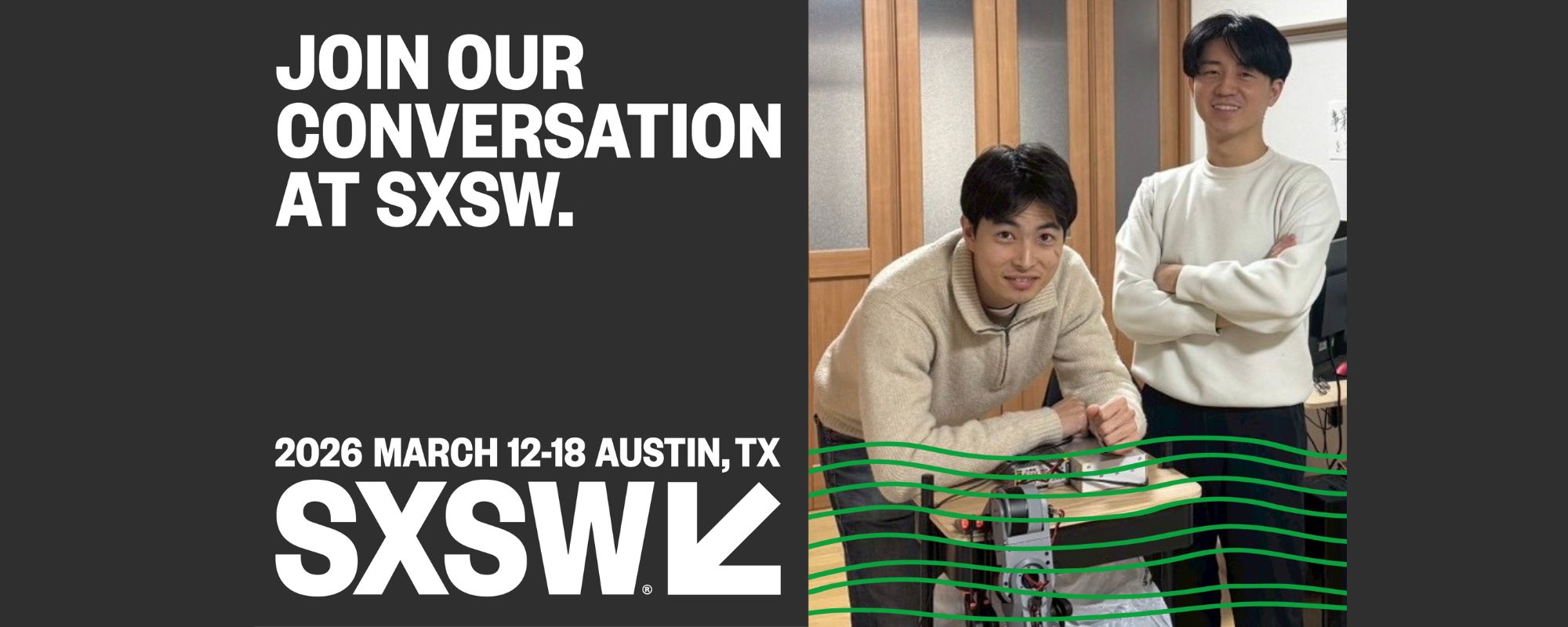
In March 2026, CleanK by inprog attended SXSW in Austin, Texas, to introduce our vision for autonomous restroom cleaning.
For us, SXSW was more than a pitch event. It was an opportunity to speak directly with people building, operating, and investing in the future of physical work. Our founder, Naoto Munekiyo, introduced CleanK’s vision in front of startup leaders including Garry Tan, President & CEO of Y Combinator, and shared why restroom cleaning needs a new kind of automation.


The biggest learning was simple:
Restroom cleaning is not just a Japanese problem. It is a global labor problem.
Across our conversations in the U.S., we heard familiar challenges from facility operators and cleaning-related businesses: hiring is difficult, training takes time, cleaning quality depends heavily on individual workers, and public restrooms remain one of the hardest spaces to maintain consistently.
Today, many restroom-cleaning workflows still depend on trained operators, manual judgment, water pressure, repeated chemical application, and human follow-up. These methods can be effective, but they also create operational challenges. New workers need training. Equipment must be used carefully around sensors and electrical fixtures. Chemical use must be managed safely. And even after a cleaning process is completed, someone still needs to confirm whether the dirt was actually removed.
That is the gap CleanK is built to solve.
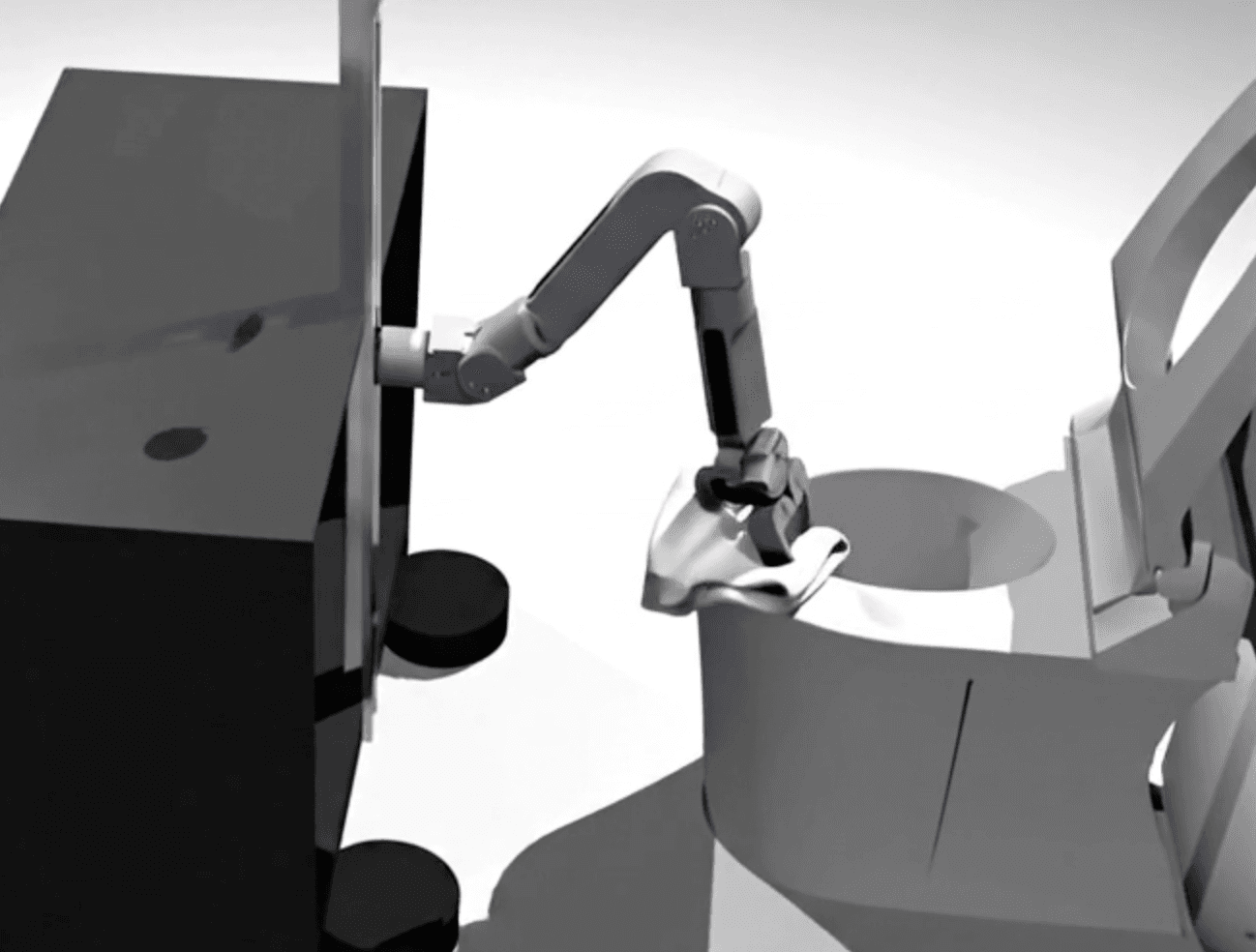
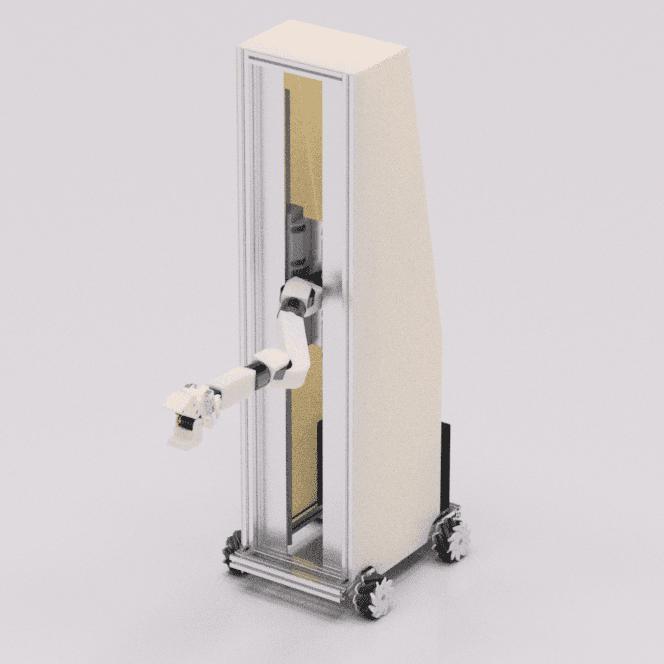
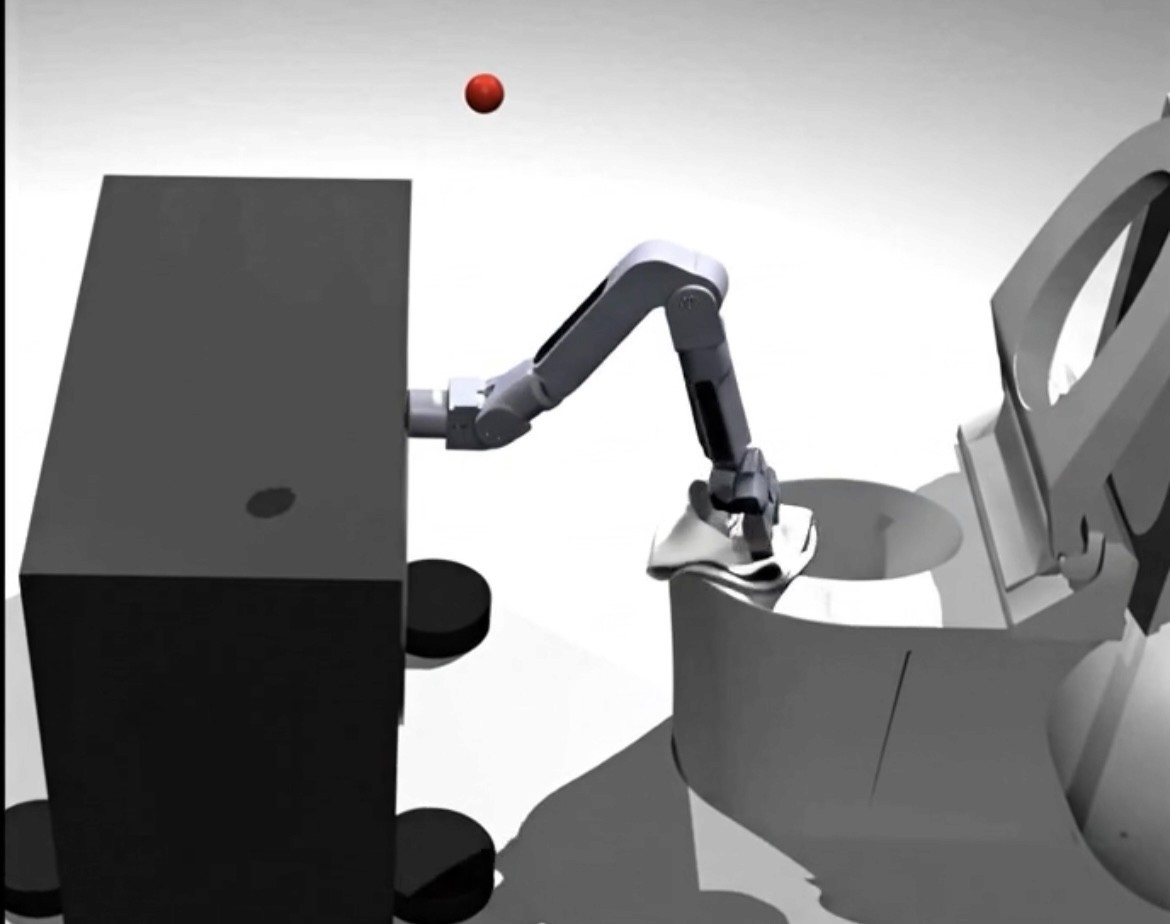
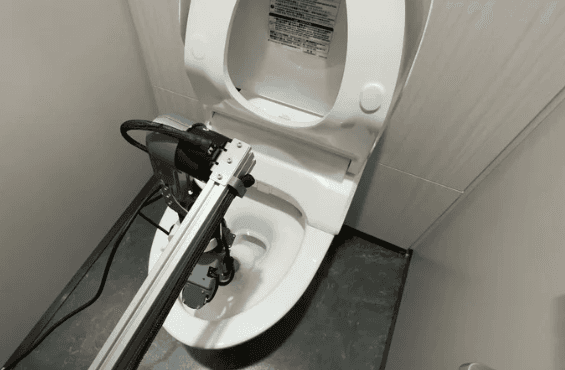
CleanK is not designed to simply move through a restroom on a fixed route. Our goal is to build a robot that can detect dirt, physically scrub the target area, and continue cleaning until the dirt is removed.
This matters because real restrooms are not fixed environments. Dirt can be dry, sticky, hidden, or different every day. A robot that only repeats the same movement cannot solve that problem. Public restroom automation needs perception, physical contact, and cleaning judgment.
At SXSW, we confirmed that this message resonates beyond Japan.
Facility operators do not only want a robot that looks impressive in a demo. They want a system that reduces human intervention, improves consistency, and helps them manage restroom operations with fewer training and staffing bottlenecks.
That is why our main KPI is not just cleaning speed. It is:
How much can CleanK reduce the human intervention time required to operate public restroom cleaning?
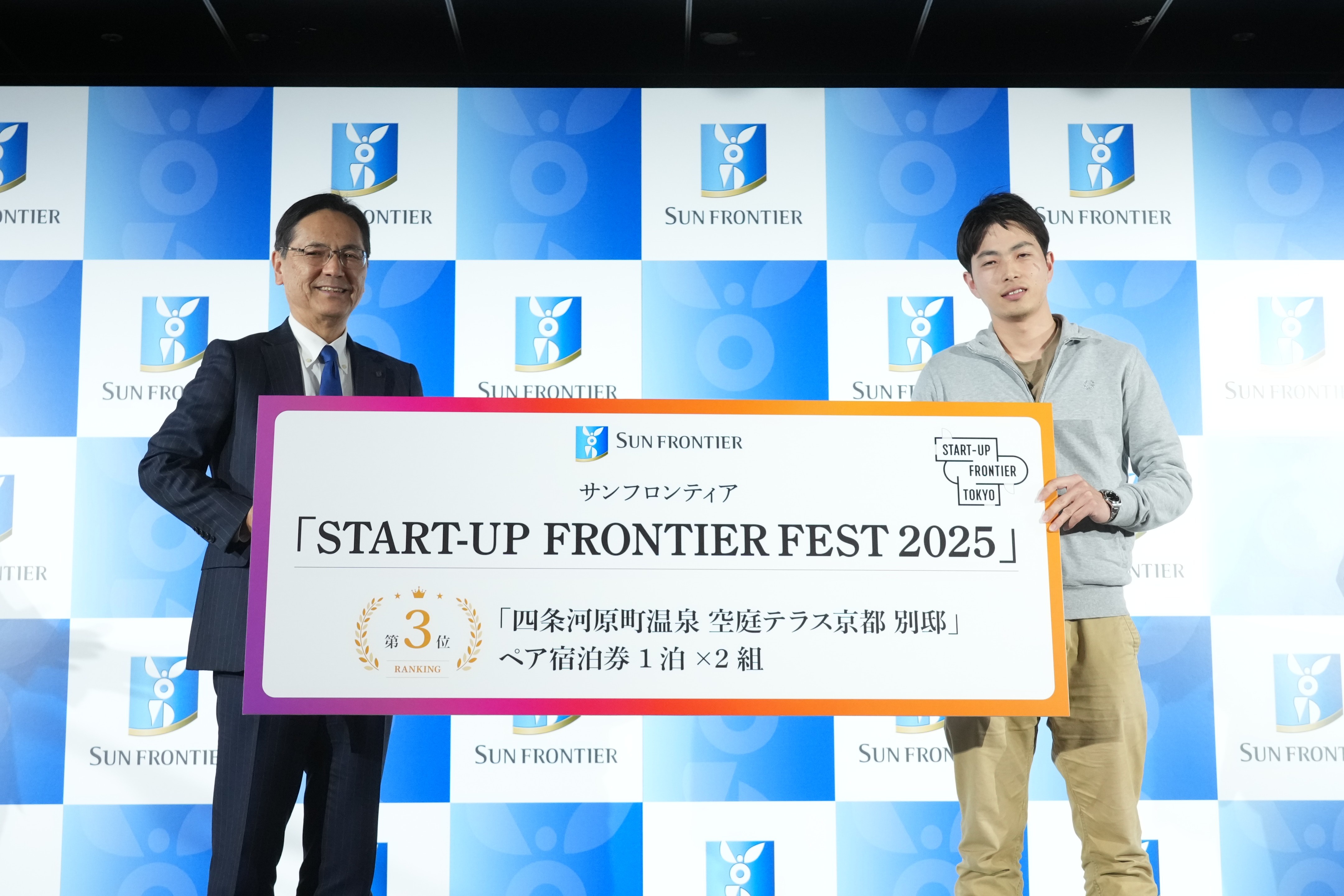
We started CleanK from real cleaning operations in Japan, one of the most demanding restroom markets in the world. Our founder has personally cleaned more than 1,000 toilet bowls, and our team is combining that field experience with robotics and AI.
SXSW 2026 gave us confidence that the problem we are solving is much larger than one country.
Public restrooms are everywhere. The labor shortage is global. And the need for consistent, high-quality restroom cleaning is only becoming more important.
We are now speaking with facility operators, cleaning companies, airports, stadiums, universities, offices, and public facilities that want to reduce the burden of restroom cleaning.
If your organization manages high-traffic restrooms and faces labor, training, or cleaning-quality challenges, we would love to talk.
Recent Posts